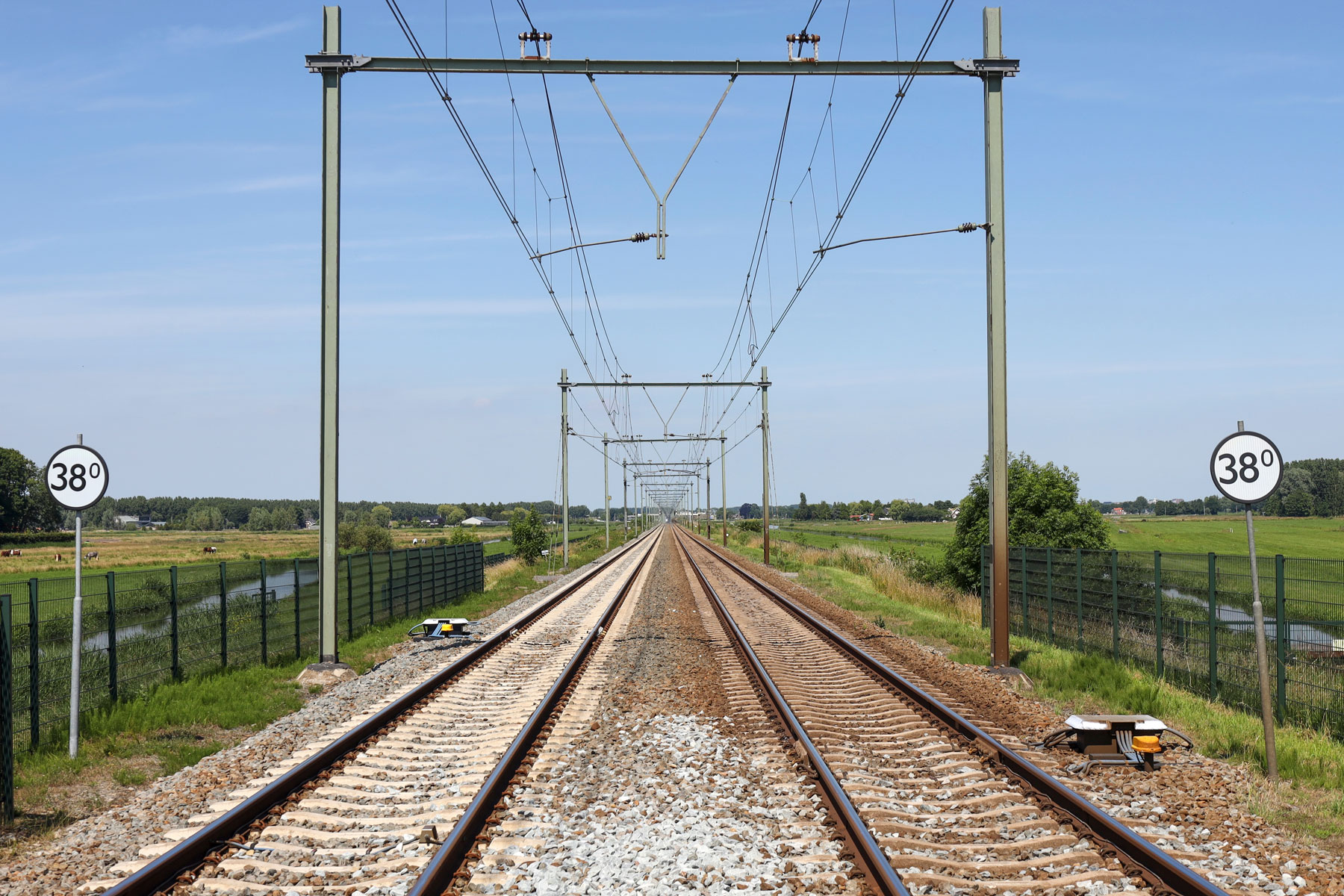
The Safety Culture Ladder (SCL) is all about safety at work and making sure everyone is able to go home safe and sound every day. The SCL shows how good safety awareness is in your organisation.
Safety in culture, attitudes and behaviour
Safety awareness concerns all employees, in every industry. It is reflected in culture, attitude and behaviour. The higher the rung on the ladder, the more seriously safety is taken. An SCL certificate or Statement creates trust with your customer. Moreover, it ensures efficient business processes and a good reputation for your company.
The SCL for your organisation
If you are wondering how safety aware your organisation is, the SCL is an essential instrument for you. The SCL is all about health and safety at work. The higher up the ladder your organisation is, the better its safety awareness is too. The SCL can be applied to any organisation in any sector.
It gives an insight into compliance with agreements about health and safety at work
It gives an insight into areas where safety improvements are possible
It improves safety awareness among employees
Safety at work achieved by working together
Safety at work cannot be achieved through safety rules alone. The basis for a safe work environment is formed by attitudes, behaviour and culture. The Safety Culture Ladder encourages organisations and their suppliers to work safely and healthily, without distinguishing between clients, contractors and suppliers. Working safely achieved by working together. The SCL breaks down levels of safety awareness and behaviour into five steps.
The Safety Culture Ladder (SCL) was originally developed by ProRail, a rail operator that wanted to improve safety awareness among railway employees. Today, many others sectors are interested in the SCL as well because safety awareness is important in every organisation. This is why NEN now owns and manages the Safety Culture Ladder, which it wants to apply to a bigger target group.
SCL and NEN
The Safety Culture Ladder is a market initiative. It involves market parties working together to improve safety culture. We want to improve safety in every sector. The object of the NEN (the Royal Netherlands Standardization Institute) is to standardise quality assessment. This ensures the consistency of the Safety Culture Ladder.
NEN acts as an independent platform for the development and management of certification schemes. It does not certify organisations itself but facilitates certifications, which guarantees effective management. This ensures that standards and certification schemes can actually be used for certification audits in practice.
The Safety Culture Ladder helps promote safety. Safety at work must become the standard and be reflected in attitudes, behaviour and work culture. We need to keep working together to make the world a safer place.
From SCL 2016 to SCL 2.0
The transition from SCL 2016 to SCL 2.0 is about ‘integral safety and health’ and is therefore applicable to all sectors and organisations.
Want to know more about SCL 2.0 and the transition period? Then read here .